The metal injection molding (MIM) is one of those manufacturing methods that may be unknown to most individuals but still contributes significantly to the production of products that people use on a daily basis. MIM is the technology that transforms fine metal powders into highly complicated, accurate forms, whether it is parts in medical equipment, automobile components, or consumer electronics.
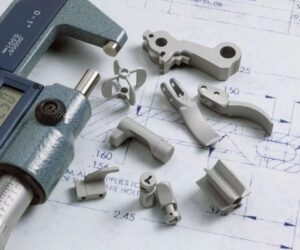
When you consider about it, it is close to magic. MIM does not use methods such as casting or machining instead it mixes metal powder with a binder to form a material that can be shaped into virtually any shape. This high pressure is then injected into a high pressure mold, similar to the plastic injection molding, but using metals. The result? A product that is strong, solid and willing to work.
The difference between MIM and other metalworking methods is that it can form small and detailed pieces that would be barely possible or very expensive to form using other metalworking techniques. You begin to sense the magic of MIM when you consider the accuracy that is needed when making something as small as a tiny gear, an elaborate connector, or a small implant of a medical device. It is ideal in terms of mass production yet not trimming corners.
It starts with the mixing of fine metal powder with a binder. This binder secures it all until the shape of part is done and metal sintered in a furnace. After shaping, the mold is subjected to low temperatures in order to eliminate the binder and bind the metal particles. Then you have got a piece of hard, good metal that is all set to be used.
The efficiency of MIM is one of the best. Conventional metalworking is associated with increased waste. You would slice away material until you achieve what you desire and this may consume very much time and material. MIM doesn’t waste much. It is a near-net procedure i.e. the part exits the mold virtually prepared to be used. It only requires some finishing touches such as polishing or surface treatment to make it take its final shape.
Cost-effectiveness is another opportunity. The tooling cost in MIM may be enormous, but it compensates it in the long term. It is particularly marvelous to make big quantities of small parts. MIM is the process of choice when you require thousands and even millions of the same pieces. The installation fee may appear high, but the parts cost significantly decreases when the production scale is large.
But MIM isn’t just about cost. It’s about precision, too. Tolerances Parts fabricated by this technique can be as small as several microns. That is a sixth of a millimeter, which is vital to industries that require high performance and reliability. The standards required in the medical sector such as the parts such as surgical equipment or implantable devices must be extremely high. MIM is able to perform on that score, and they come up with high-quality parts which can be relied upon in matters involving life and death.
One of the fun facts about MIM is that it is not only used with small-size parts. It also has the ability to produce larger parts, but most commonly the smaller and detailed ones. The flexibility of this process allows you to make tiny gears in watches to very complicated parts in jet engines. The possibilities of what can be made with MIM are not very many.
The future of MIM is promising. With the precision and efficiency required in industries and increasingly complicated designs, MIM has continued to advance to meet the needs. It is quite a popular choice, and its cost-effectiveness, precision, and the possibility to work with a great variety of metals make it even more popular. As in aerospace, automotive or medical, MIM is the magic behind making small high quality components which simply work.