These days everyone wants to be sustainable. It’s used so much that it’s become a cliché — slapped on products that are at best a little bit better than the previous one. Eco friendly Tote bags, particularly the Green Reusable Totes UK which are used repeatedly everyday are really worth the hype they’ve cultivated, but only if what they claim is true.
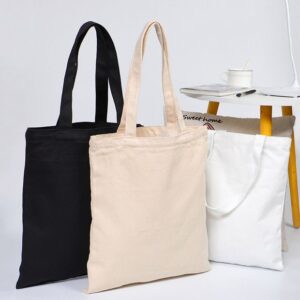
The UK market has become very aware of the meaning of ‘ecofriendliness’. People read labels these days. They ask questions. A company that is giving away bags that are made out of recycled plastic bottles loudly proclaiming its environmental values will get a lot of raised eyebrows from the very people it is trying to impress. Authenticity is important, and materials help to convey it right off the bat.
The easiest first step is to use organic cotton. Cotton grown without synthetic pesticides or fertilisers is certified organic and has verifiable credentials (the most recognised in the UK is the Global Organic Textile Standard (GOTS) certification). More expensive than regular cotton. While that price difference is true, the message it sends to eco-conscious shoppers is a much more authentic one.
Recycled cotton on the other hand, involves a different perspective, being that it is produced from post-industrial or post-consumer textile waste. There is less water and energy used in production than with virgin cotton. Fabric is a little bit coarse, depending on the mix, but has improved a lot in recent years. Recycled cotton delivers the message loud and clear for businesses that are concerned with circular economy stories.
Jute is still one of the most protective eco-option. The material is fast growing, actively sequesters carbon during cultivation and biodegrades at end of life without problematic residues. The texture is unique, and while some people enjoy it, others prefer it not, but as far as sustainability goes, it’s hard to dispute.
Before discarding or extolling recycled PET, it’s important to understand it. It is a positive step that it diverts plastic waste from landfill. But when washed, it releases microplastics and it is not biodegradable. It inhabits complex space – between virgin plastic and natural fibres.